
Acne Treatment in Gurgaon, Planned by a Dermatologist
Medically reviewed by Dr Ravikant Bhushan, MBBS, MD (Dermatology), visiting dermatologist · Reviewed 9 November 2026
Acne is a medical skin condition that responds best to a plan matched to its type and severity. At our Sector 11 clinic the doctor identifies your acne type and triggers, prescribes treatment you can follow at home, adds in-clinic procedures only where they help, and reviews your progress so that breakouts are controlled before they leave marks or scars.
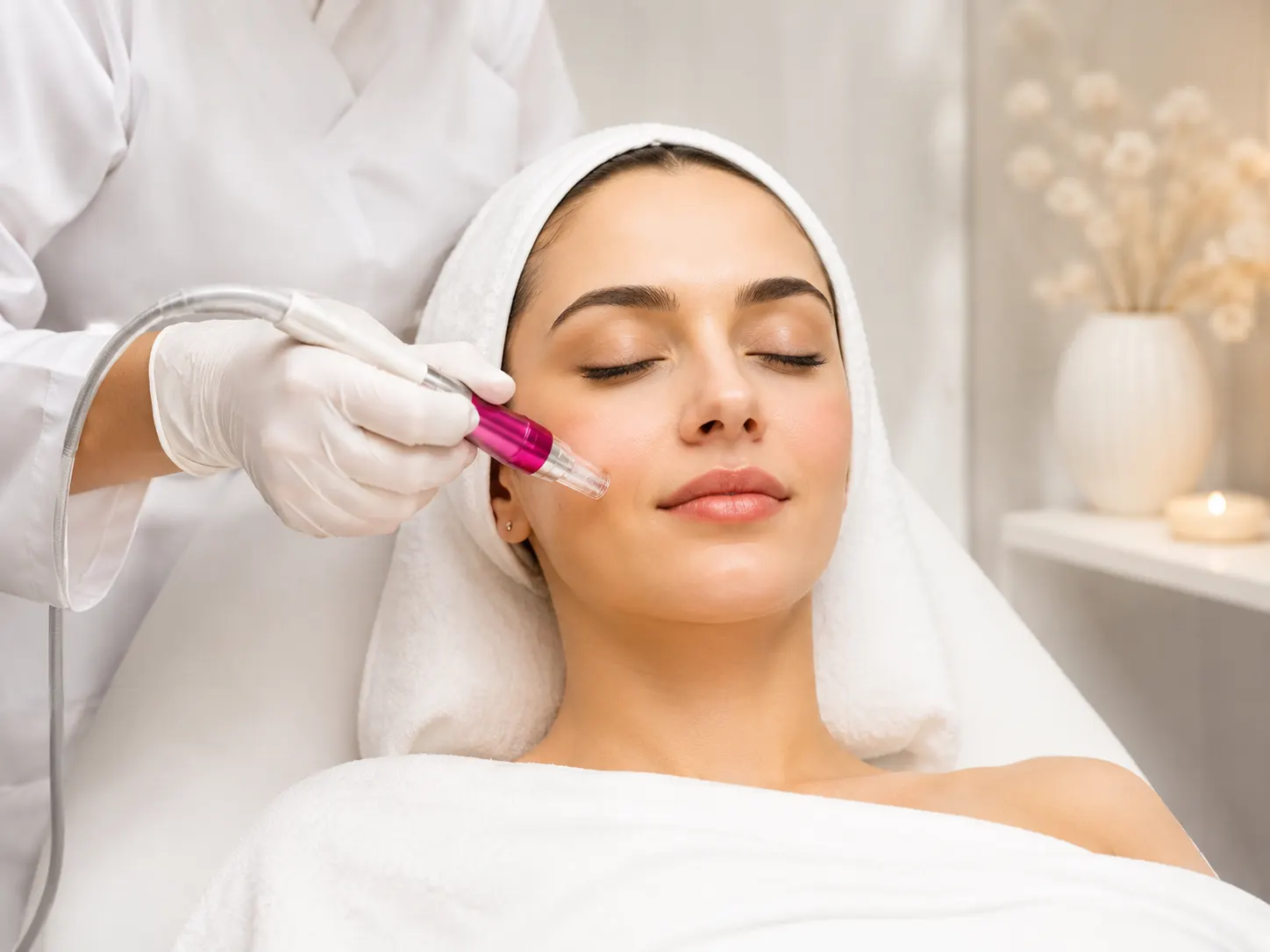
Acne is not a hygiene problem and it is not something you simply have to wait out. It begins in the hair follicle, where excess oil, dead skin cells, acne bacteria and inflammation combine. The result can be blackheads and whiteheads, red tender pimples, pus-filled spots or, in some people, deep painful lumps that sit under the skin for weeks.
Treating acne early matters because inflammation is what leaves dark marks and permanent scars, and those take far longer to improve than the acne itself. At Dr. Kalra’s Derma and Aesthetic in Shivaji Nagar, Sector 11, your acne is examined by our visiting dermatologist, Dr Ravikant Bhushan, before any treatment is suggested.
Types of acne we assess
- Comedonal acne – blackheads and whiteheads, often on the forehead, nose and chin, with little redness.
- Inflammatory acne – red papules and pus-filled pustules that can be sore and leave marks.
- Nodular or cystic acne – deep, painful lumps that last for weeks and carry the highest risk of scarring.
- Adult and hormonal-pattern acne – breakouts along the jawline, chin and neck, often flaring with periods.
- Body acne – pimples on the back, chest and shoulders, sometimes worsened by sweat, tight clothing or gym supplements.
- Acne triggered by products or medicines – flares after heavy creams, hair oils, steroid creams or certain supplements.
Who may benefit from a consultation
- Breakouts that keep returning despite over-the-counter face washes and creams
- Red, painful pimples or deep lumps under the skin
- Acne on the back, chest or shoulders
- Adult or jawline acne, especially if it changes with your menstrual cycle
- Acne that is starting to leave dark marks or pitted scars
- Acne that flared after a new supplement, cosmetic, hair oil, helmet or mask
What happens at your consultation
1History. When the acne started, what makes it better or worse, and every product and medicine you have tried – bring the packs or photos.
2Examination. The doctor grades the type and severity of your acne and checks for early marks or scarring.
3Triggers. Cosmetics, steroid-containing creams, supplements, menstrual pattern and other health factors are reviewed. Blood tests are advised only when your history suggests a hormonal or other medical cause.
4A written plan. What to apply or take and how, when you should expect change, the side effects to watch for and when to come back.
Treatment options at the clinic
- Prescription creams and gels – for example retinoids, benzoyl peroxide, azelaic acid or topical antibiotics, often used in combination so that each works on a different cause of acne.
- Oral medicines – for moderate, widespread or scarring acne. Some, such as isotretinoin, need regular monitoring and are not suitable during pregnancy; the doctor will explain precautions before you start.
- Hormonal assessment – for selected women with a hormonal pattern of acne, coordinated with a gynaecologist where appropriate.
- Supportive in-clinic procedures – such as chemical peels or comedone extraction, used alongside medical treatment rather than instead of it.
- Microneedling, peels and laser for marks – once active acne is under control, using the scar and pigmentation treatments available at the clinic (see acne scar treatment and pigmentation treatment).
All the options above are available at the clinic. Procedures are doctor-led and carried out by the doctor or by trained staff under dermatologist supervision, and your doctor recommends only the options that suit you after examining you.
Side effects and risks to understand
- Dryness, peeling, redness or stinging in the first weeks of retinoids and benzoyl peroxide; this usually settles with correct use and a gentle moisturiser.
- Peels can cause temporary redness and flaking and, in some skin types, darkening if aftercare and sun protection are skipped.
- Oral medicines have specific side effects and precautions, which the doctor explains before prescribing.
- Stopping treatment as soon as the skin looks better is a common reason acne returns.
Recovery, results and aftercare
- Most prescription regimens need several weeks of consistent use before clear improvement; your doctor will give a realistic timeline for your skin.
- Follow-up visits let the plan be adjusted for how your skin responds and for any side effects.
- A simple maintenance routine is usually needed once acne is controlled.
- Daily broad-spectrum sunscreen helps the dark marks left by pimples fade and stops them getting darker.
Your doctor
Consultations are with Dr Ravikant Bhushan, MBBS, MD (Dermatology) · Visiting dermatologist · 20+ years of experience. Treatment is offered only after examination, and suitability, risks and costs are explained before you consent. Individual results vary. Read more about the clinic →
Frequently asked questions
Do I need to see a dermatologist for acne?
Can acne and acne marks be treated together?
Will my acne come back after treatment?
Does diet cause acne?
What should I bring to my first visit?
How much does acne treatment cost?
Book a consultation in Sector 11, Gurugram
Dr. Kalra’s Derma and Aesthetic is at First floor, 3/5, Khandsa Rd, opp. Madhur Mobile, Shivaji Nagar, Sector 11, Gurugram, Haryana 122001, with a lift to the first floor and parking available. We are open 11 AM–7 PM, Monday to Sunday. Khandsa Road’s Bhuteshwar Mandir is a nearby landmark, and the clinic is close to Rajiv Chowk. Walk-ins are welcome. Call or WhatsApp +91 93105 34535, or request an appointment online – we call you back within 10 minutes during clinic hours.
Related pages
About this clinic
Dr. Kalra’s Derma and Aesthetic, Khandsa Road, Sector 11, Gurugram – serving patients since 2008. Founder: Dr Kapil Kalra, BDS, MDS, Diplomate ICOI (dental surgeon and implantologist). Dermatology consultations and medical review: Dr Ravikant Bhushan, MBBS, MD (Dermatology), visiting dermatologist with 20+ years of experience.