
Acne Scar Treatment in Gurgaon
Medically reviewed by Dr Ravikant Bhushan, MBBS, MD (Dermatology), visiting dermatologist · Reviewed 9 November 2026
Acne scars can usually be improved but not erased. At our Sector 11 clinic the doctor first confirms that active acne is controlled, identifies your scar types and depth, and then recommends a procedure or combination of procedures with an honest estimate of sessions, downtime and cost.
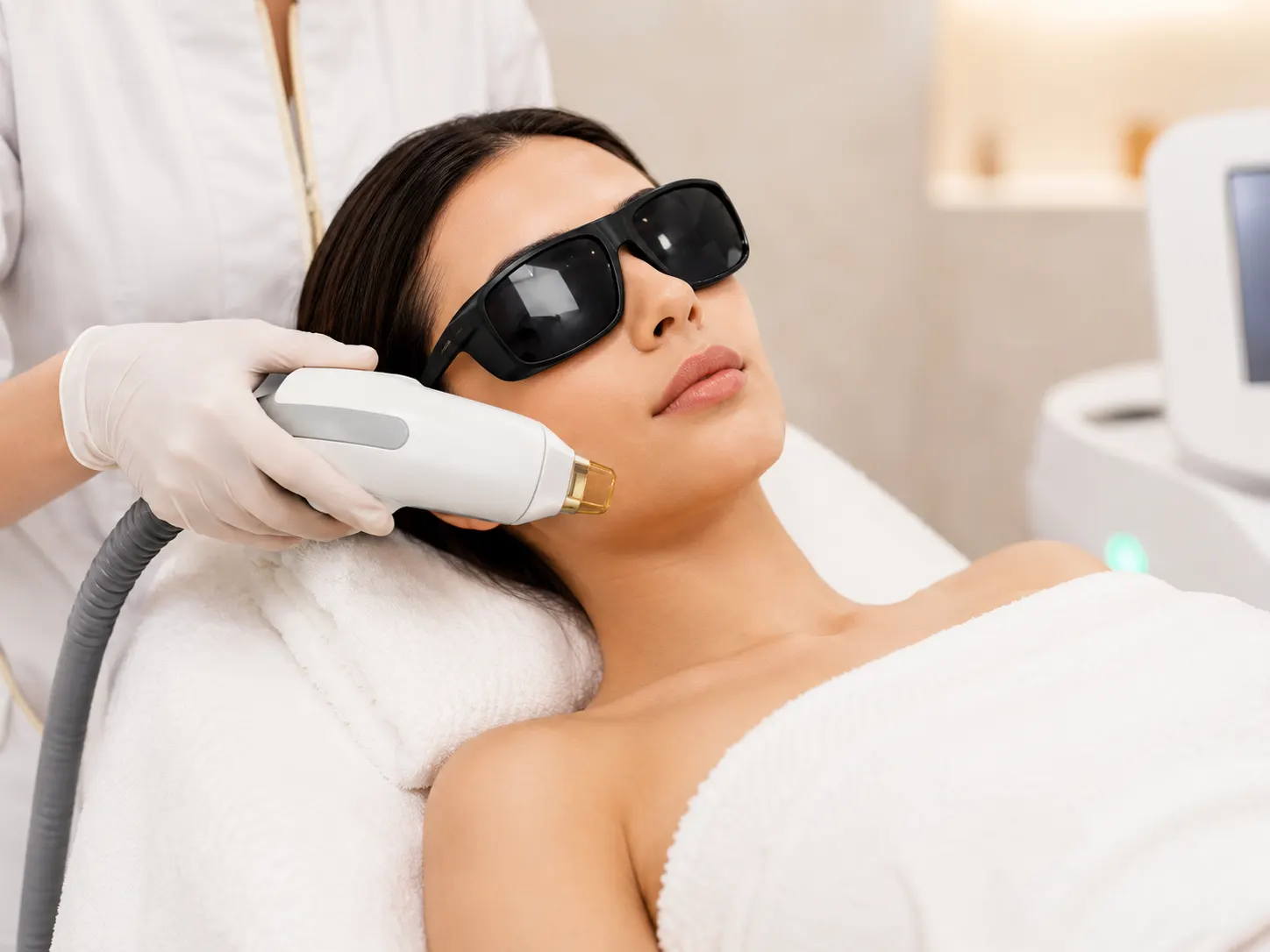
Acne scars are permanent changes in the texture of the skin caused by deep or long-lasting inflammation. They are different from the flat dark or red marks left after pimples, which often fade with time, sun protection and the right creams. Telling marks and scars apart is the first step to choosing a treatment that can actually help.
At Dr. Kalra’s Derma and Aesthetic, scars are assessed by type, depth and skin type before any procedure is suggested. The goal is a visible improvement in texture that you can see in photographs over time – not a promise that scars will disappear, because the degree of change differs from person to person.
Types of acne scars
- Ice-pick scars – narrow, deep pits that look like large open pores.
- Boxcar scars – broader depressions with sharp edges, often on the cheeks and temples.
- Rolling scars – wide, shallow dips with soft edges that give the skin a wavy look; they are often tethered by bands under the skin.
- Raised scars – thick or raised scars (hypertrophic or keloid) more common on the jawline, chest, shoulders and back.
- Mixed scarring – most people have more than one type, which is why combination plans are common.
Who may benefit from a consultation
- Pitted or depressed scars left after acne has settled
- Uneven skin texture that makeup does not hide
- Raised or thick scars on the jawline, chest or back
- People who are unsure whether they have marks or true scars
What happens at your consultation
1Check active acne. New breakouts are treated first, because they can create new scars and procedures can irritate inflamed skin.
2Classify the scars. Scar types and depth are assessed under good lighting, and standardised photographs are taken to track change.
3Review your history. Skin type, tendency to darken after injury, keloids, cold sores and recent isotretinoin use are discussed.
4Agree the plan. Realistic goals, the number of sittings, the downtime you can manage and the total cost are agreed before starting.
Treatment options at the clinic
- Microneedling or radiofrequency microneedling – controlled micro-injuries stimulate new collagen to soften depressed scars.
- Fractional laser resurfacing – treats columns of skin to improve texture.
- Subcision – releases the bands that tether rolling scars.
- TCA CROSS – a focused chemical technique for selected ice-pick scars.
- Chemical peels – for superficial texture and the pigmentation that often accompanies scars.
- Injection treatment for raised scars – to flatten and soften thick scars.
All the options above are available at the clinic. Procedures are doctor-led and carried out by the doctor or by trained staff under dermatologist supervision, and your doctor recommends only the options that suit you after examining you.
Side effects and risks to understand
- Temporary redness, swelling, pinpoint bleeding or scabbing, depending on the procedure.
- Darkening of the treated skin (post-inflammatory hyperpigmentation), which is more likely in Indian skin if sun protection and aftercare are not followed.
- Infection, prolonged redness or, rarely, new scarring.
- Improvement is gradual and usually needs several sessions spaced weeks apart.
Recovery, results and aftercare
- Downtime ranges from a day of redness to around a week of visible healing, depending on the procedure; your doctor will tell you what to expect for your plan.
- Avoid sun exposure, picking and strong active products until your doctor advises.
- Results build over months as new collagen forms; photographs at each visit help you see the change objectively.
Your doctor
Consultations are with Dr Ravikant Bhushan, MBBS, MD (Dermatology) · Visiting dermatologist · 20+ years of experience. Treatment is offered only after examination, and suitability, risks and costs are explained before you consent. Individual results vary. Read more about the clinic →
Frequently asked questions
Can acne scars be removed completely?
Are acne marks and acne scars the same?
How many sessions will I need?
Can I treat scars while I still get pimples?
Is scar treatment safe for darker skin?
How much does acne scar treatment cost?
Book a consultation in Sector 11, Gurugram
Dr. Kalra’s Derma and Aesthetic is at First floor, 3/5, Khandsa Rd, opp. Madhur Mobile, Shivaji Nagar, Sector 11, Gurugram, Haryana 122001, with a lift to the first floor and parking available. We are open 11 AM–7 PM, Monday to Sunday. Khandsa Road’s Bhuteshwar Mandir is a nearby landmark, and the clinic is close to Rajiv Chowk. Walk-ins are welcome. Call or WhatsApp +91 93105 34535, or request an appointment online – we call you back within 10 minutes during clinic hours.
Related pages
About this clinic
Dr. Kalra’s Derma and Aesthetic, Khandsa Road, Sector 11, Gurugram – serving patients since 2008. Founder: Dr Kapil Kalra, BDS, MDS, Diplomate ICOI (dental surgeon and implantologist). Dermatology consultations and medical review: Dr Ravikant Bhushan, MBBS, MD (Dermatology), visiting dermatologist with 20+ years of experience.